Source transmission filter for honda cr z for repair, maintenance, and replacement
Find 30 transmission filter for honda cr z options from verified suppliers. Compare specifications, prices, and lead times for automatic gearbox maintenance needs. These products include various OEM numbers and are suitable for different Honda models requiring high-quality oil filtration solutions.
Key considerations
Products List
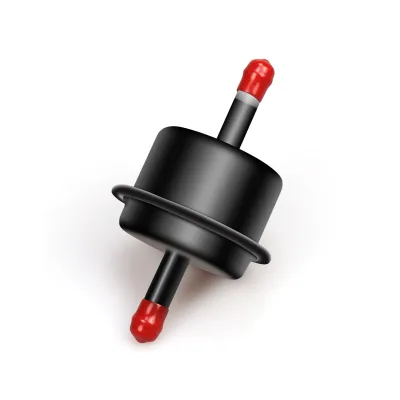
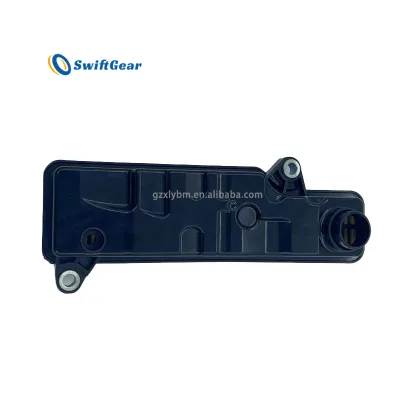


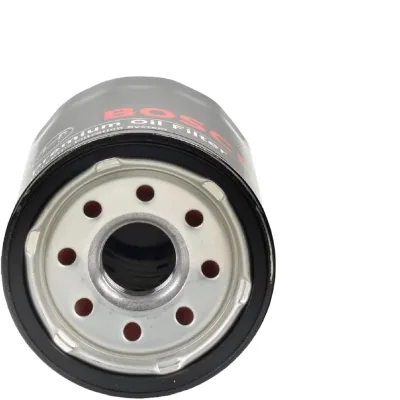

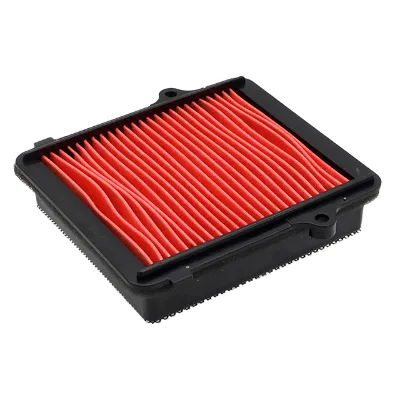


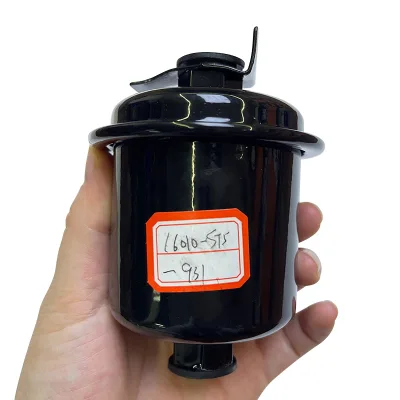
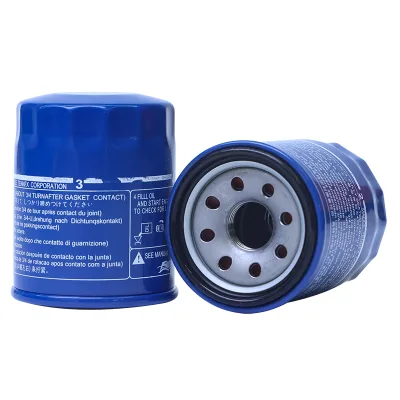
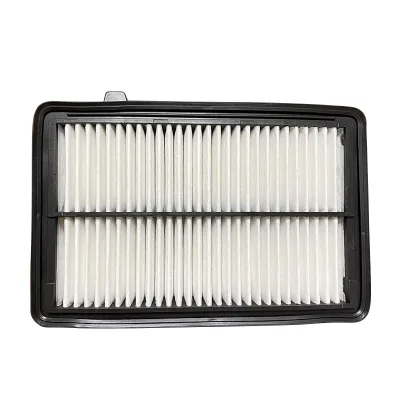


Comprehensive Sourcing Guide
Transmission Filter for Honda CR-Z Sourcing Guide
Sourcing the correct transmission filter for a Honda CR-Z requires careful attention to specific OEM part numbers and transmission model compatibility. The Honda CR-Z utilizes a specialized dual-clutch transmission system, making generic automatic transmission filters unsuitable for this application. Buyers must verify that the listed product explicitly states compatibility with Honda vehicles and matches the precise OE numbers associated with the CR-Z’s gearbox. Commonly cited reference numbers in the market include 25420-5X9-003, 25420PWR003, and 25420PHT003, among others. These identifiers are critical for ensuring the filter fits the internal geometry of the transmission housing and aligns with the valve body passages.
Procurement teams should prioritize suppliers who provide clear mapping between aftermarket part numbers and original equipment manufacturer codes. The observed market data indicates a variety of product names such as "Automatic Transmission Oil Filter" and "Gearbox Filter," which can create confusion if not cross-referenced correctly. It is essential to confirm that the filter is designed for wet-pattern clutches, as this is a standard characteristic for many modern automatic and dual-clutch systems. Misidentifying the filter type can lead to immediate installation failure or premature transmission damage, making accurate part number verification the first and most critical step in the sourcing process.
Product Scope and Observed Listing Signals
The current market landscape for transmission filters includes a wide range of products labeled with various brand names and specifications. Observed listings frequently mention brands such as Transpeed and SwiftGear, offering products described as "100% Brand-new" or "New." These items are generally classified under automotive accessories and are intended for replacement and repair purposes. The product scope extends beyond simple paper core filters to include specialized units with HEPA filtration grades, although the latter is less common for transmission applications and may indicate a listing error or a different product category entirely. Buyers must scrutinize these descriptions to ensure the product matches the mechanical requirements of the Honda CR-Z transmission.
Listing signals also reveal significant variation in minimum order quantities and packaging options. Some suppliers offer a minimum order quantity of just one piece, catering to individual repair shops or small-scale distributors, while others require orders of fifty pieces or more. Packaging is often customizable according to customer needs, which can be advantageous for private labeling or bulk shipping efficiency. However, the presence of diverse product types, including air filters listed alongside transmission filters, suggests that some suppliers may have broad catalogs with mixed accuracy. Buyers should rely on specific technical specifications rather than general product titles to validate the suitability of the item for their specific vehicle model.
Technical Specifications to Verify
Verifying technical specifications is paramount when sourcing transmission filters for the Honda CR-Z. The transmission model, often referenced as CM5 in some listings, must match the specific variant installed in the vehicle. Key attributes to verify include the filtration grade, material composition, and pattern type. Most reliable listings specify a paper core material and a wet pattern, which is suitable for the oil-immersed clutch packs found in many Honda automatic transmissions. Additionally, the OE number must be cross-checked against the vehicle’s service manual. Commonly observed OE numbers include 25420PWR003, 25420PHT003, and 25420P7W003, each corresponding to different production years or transmission revisions.
Buyers should also pay close attention to the physical dimensions and mounting configurations, which are not always detailed in standard listings. The filter must seal correctly within the transmission pan to prevent fluid leaks and ensure proper oil pressure. It is advisable to request detailed dimensional drawings or installation guides from the supplier before placing a large order. Furthermore, the condition of the product should be confirmed as new, as refurbished or used filters can compromise transmission performance. The application should be explicitly stated as automotive parts for Honda vehicles, ensuring that the filter is engineered to withstand the specific thermal and pressure conditions of the CR-Z’s drivetrain.
Compliance and Safety Documentation
Compliance and safety documentation are essential components of a responsible procurement strategy, even for relatively simple mechanical parts like transmission filters. While specific certification requirements may vary by region, many suppliers claim adherence to ISO 9001 quality management standards. This certification indicates that the manufacturer has established processes for consistent quality control, which is a positive indicator for buyers seeking reliable aftermarket parts. However, buyers should verify the validity of these certifications directly with the issuing body or request copies of the certificates to ensure they are current and applicable to the specific manufacturing facility.
In addition to quality management systems, buyers should inquire about any relevant safety or environmental standards, such as ISO 14001, although these are less critical for the product’s function than for the manufacturer’s operations. It is important to note that some listings may mention CE certification, which is typically relevant for electrical or machinery components rather than passive mechanical filters. Buyers should be cautious of such claims and focus on documentation that directly relates to material safety and manufacturing consistency. Ensuring that the supplier provides clear documentation helps mitigate risks associated with product liability and ensures that the parts meet the expected quality benchmarks for automotive applications.
Cost Drivers and Commercial Terms
Cost drivers for transmission filters include material quality, packaging complexity, and order volume. The observed price range in the market is quite broad, reflecting differences in brand reputation, material grade, and supplier margins. Buyers should consider the total cost of ownership, which includes not only the unit price but also shipping costs, potential customs duties, and the risk of returns due to incompatibility. Commercial terms such as payment methods are typically structured with a deposit and a balance before shipment, with common options including T/T and Western Union. These terms protect both parties but require careful financial planning to manage cash flow effectively.
Minimum order quantities significantly impact the unit cost, with smaller orders often carrying a premium. Suppliers offering an MOQ of one piece provide flexibility for small-scale buyers but may charge higher per-unit prices. Conversely, bulk orders of 1000 pieces or more may qualify for discounted rates, making them attractive for large distributors or fleet maintenance operations. Lead times are another critical factor, with many suppliers offering delivery within five to seven working days. Buyers should confirm these lead times during the negotiation phase to ensure they align with their inventory requirements and avoid production delays or vehicle downtime.
Supplier Qualification and Quality Control
Supplier qualification is a critical step in ensuring the reliability of the sourced transmission filters. Buyers should assess the supplier’s production capabilities, quality control processes, and track record in the automotive parts industry. A supplier with a strong reputation for high-quality products is more likely to deliver filters that meet the stringent requirements of the Honda CR-Z transmission. It is advisable to request samples before committing to a large order, allowing for thorough inspection and fitment testing. The availability of samples is a positive sign, indicating that the supplier is confident in their product’s quality and compatibility.
Quality control measures should include rigorous testing for material integrity, dimensional accuracy, and filtration efficiency. Buyers should inquire about the supplier’s defect rate and return policy to understand how they handle quality issues. Suppliers who offer a warranty, such as a one-year or twelve-month guarantee, demonstrate confidence in their products and provide an additional layer of protection for the buyer. It is also important to verify the supplier’s ability to provide customized packaging, which can enhance brand visibility and protect the product during transit. Establishing a strong relationship with a qualified supplier ensures a steady supply of high-quality parts and reduces the risk of procurement-related disruptions.
Long-Term Procurement Checks
Long-term procurement checks involve continuous monitoring of supplier performance and product quality to ensure sustained reliability. Buyers should establish key performance indicators, such as on-time delivery rates, defect rates, and responsiveness to issues, to evaluate supplier performance over time. Regular audits or quality checks of incoming shipments can help identify any deviations from the agreed-upon standards. Maintaining open communication with the supplier is essential for addressing any concerns promptly and ensuring that any necessary adjustments are made to the supply chain.
Additionally, buyers should stay informed about any changes in the Honda CR-Z transmission design or part numbers, as these changes can impact the compatibility of existing stock. Regularly reviewing the market for new products and suppliers can help identify better alternatives or cost-saving opportunities. It is also important to maintain accurate records of all transactions, certifications, and quality reports for future reference and compliance purposes. By implementing a robust long-term procurement strategy, buyers can ensure a stable and efficient supply of transmission filters, supporting the ongoing maintenance and repair needs of their Honda CR-Z vehicles.
FAQs
What OEM numbers correspond to a transmission filter for honda cr z?
Common OEM references include 25420PWR003, 25420PHT003, 25420P7W003, 25420PLY003, 25420P7X003, 25420RBL003, and 134946 for the CM5 transmission model. Always match the OEM number printed on your existing filter before ordering. Providing the original part number to a supplier helps confirm compatibility with your specific Honda gearbox and avoids cross-fitment errors during replacement or repair.
Can suppliers provide samples of a transmission filter for honda cr z before bulk orders?
Yes, sampling is offered, and some listings state Sapmle: Yes with MOQ starting at 1 piece for evaluation. Order a sample first to verify paper core quality, wet pattern fitment, and packaging. Note that other suppliers list 50 pieces as the minimum, so confirm the sample policy and any sample fees in writing before placing a bulk order.
How long does delivery take for a transmission filter for honda cr z order?
Listed delivery time is 5 to 7 working days after order confirmation, depending on order size and destination. This estimate typically excludes production time for customized orders, so confirm the full timeline with the supplier. Payment terms such as a 30 percent deposit with balance before shipment can also influence the dispatch schedule for larger volumes.
What warranty applies to a transmission filter for honda cr z?
Listings state a 1 year warranty, with some suppliers expressing it as a 12 month quality warranty. Warranty coverage generally applies to manufacturing defects under normal installation and use, so keep installation records and order documentation. Confirm exactly what the supplier covers, such as replacement terms, before finalizing a wholesale agreement.
Which certifications should a transmission filter for honda cr z supplier hold?
Listings cite ISO9001 certification, which indicates a documented quality management system. When comparing suppliers, ask for the valid certificate and scope covering automotive filter production. Also request material specifications for the paper core medium and confirmation that products follow OEM standard, since certification alone does not guarantee fitment or filtration performance for your Honda application.
Can a transmission filter for honda cr z be ordered with customized packaging?
Yes, suppliers list customized packaging according to customer needs, and OEM service with customization is marked available. Provide your branding requirements, carton sizes, and label details early, since packaging affects both pricing and lead time. Confirm minimum quantities for custom packaging separately, because artwork setup and printing may carry different minimums than the standard product MOQ.
What payment methods are accepted when sourcing a transmission filter for honda cr z?
Common terms include T/T with a 30 percent deposit and the balance before shipment, and Western Union is also listed. Payment structure protects both parties, so agree on the deposit percentage and remaining balance timing in the proforma invoice. For larger orders, ask whether staged payments after inspection are possible, as terms vary between suppliers.